








Journal24 May 2026
What the research actually says about wellness during cancer treatment
Most people do not trust wellness clinics, and they are right not to.
Joe Yates / Unsplash
Most people do not trust wellness clinics. A 2025 global survey by NIQ found that 62% of consumers are sceptical of health claims, and 82% want those claims written more plainly. A quarter of people said that distrust actively stops them trying things that might have helped them.
That scepticism is earned. The wellness industry has spent decades selling certainty it did not have.
So this is an article with some numbers in it, including one that is bad for our business.
Cancer-related fatigue is a real, measured thing
If you have had cancer treatment, you have probably been told you will feel tired. That undersells it badly.
Cancer-related fatigue has its own clinical guidelines. The European Society for Medical Oncology puts it at around 65% of patients. Two-thirds of those describe it as severe for six months or more, and a third are still dealing with it years after treatment ended. A separate meta-analysis across nearly 72,000 people put overall prevalence at 49%.
Here is the part that matters. It is not relieved by rest or sleep. That is the clinical definition, not a figure of speech. If you have been sleeping ten hours and waking up flattened, you are not doing rest wrong.
Knowing it has a name and a literature helps more than people expect it to.
What the evidence actually supports
The strongest finding here is not a machine. It is movement.
A review of 70 studies covering 4,881 patients found that exercise reduced fatigue both during treatment and after it. Another, across 44 studies and 3,254 patients, found moderate resistance exercise reduced it. In breast cancer specifically, walking at home at a moderate pace, 10 to 45 minutes a day, four to six days a week, reduced fatigue during chemotherapy and radiotherapy.
Walking. For ten minutes. That is the best-supported intervention on this page, and it is free.
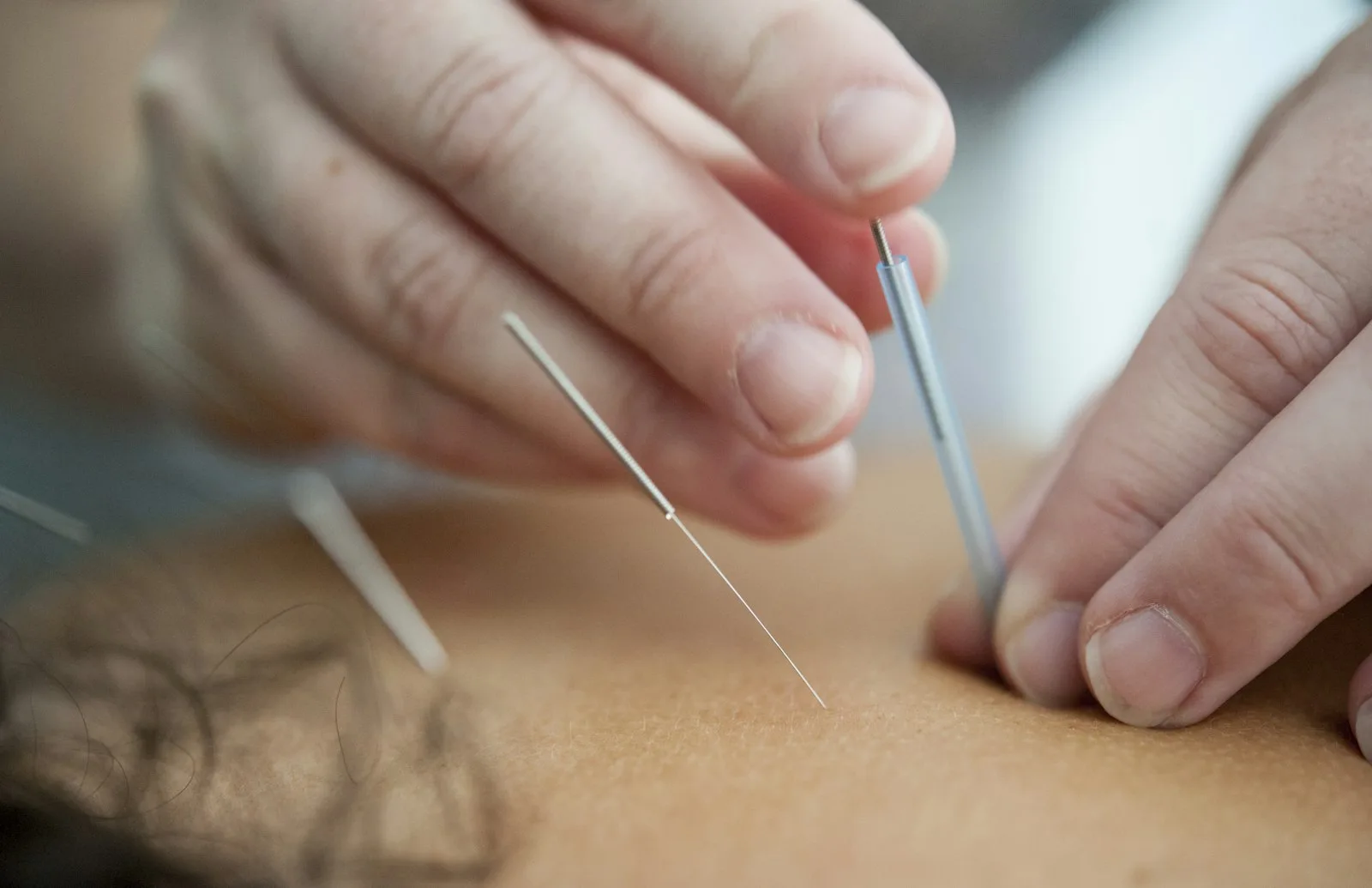
Below that, with real but weaker support, the Mayo Clinic lists yoga, which studies associate with less anxiety, less depression, less fatigue and better sleep; acupuncture, where some studies suggest improved energy; and massage, for pain, fatigue and anxiety.
Notice what that list is. Gentle, ordinary, unglamorous. No wellness centre gets rich recommending a walk.
The bit most wellness sites leave out
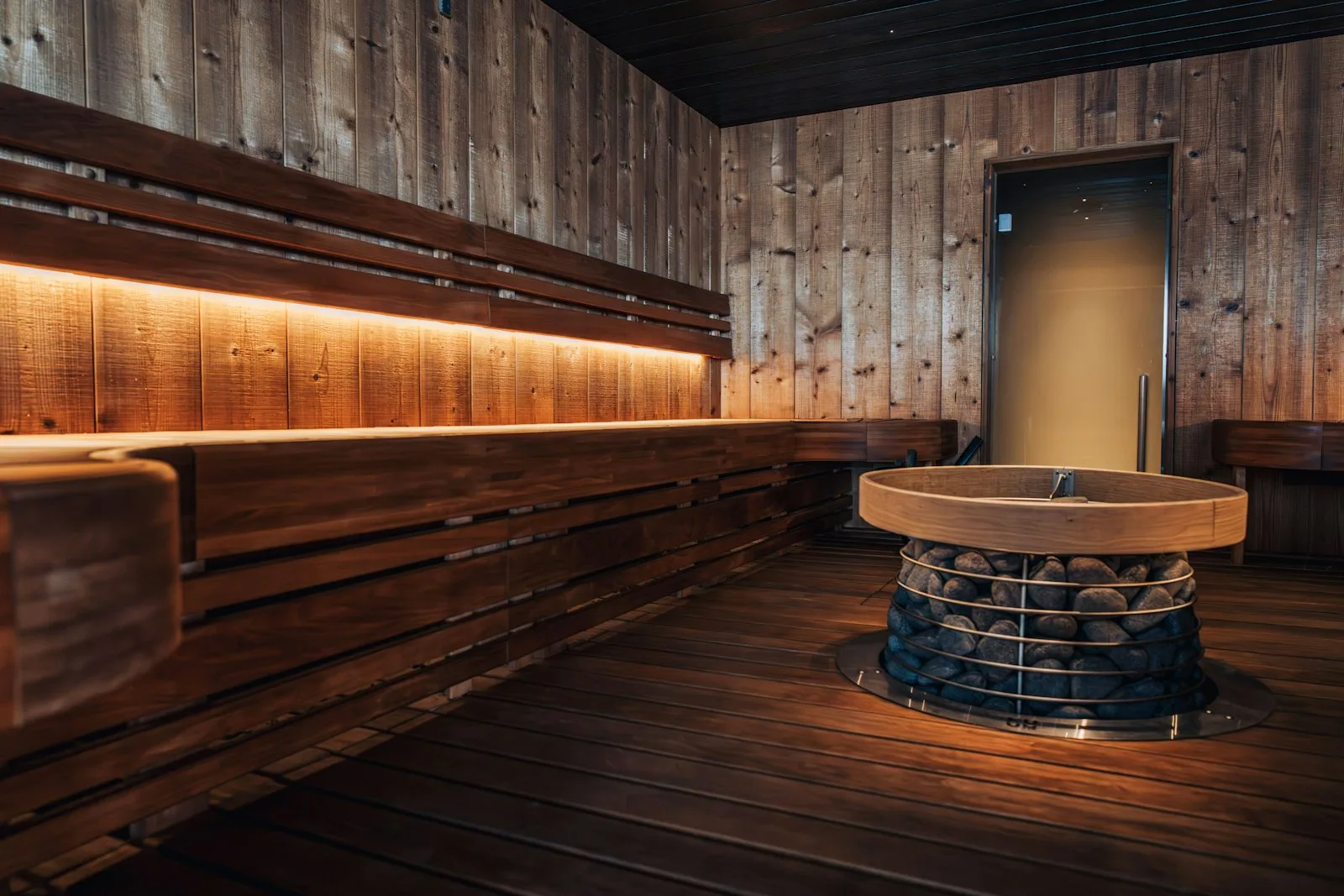
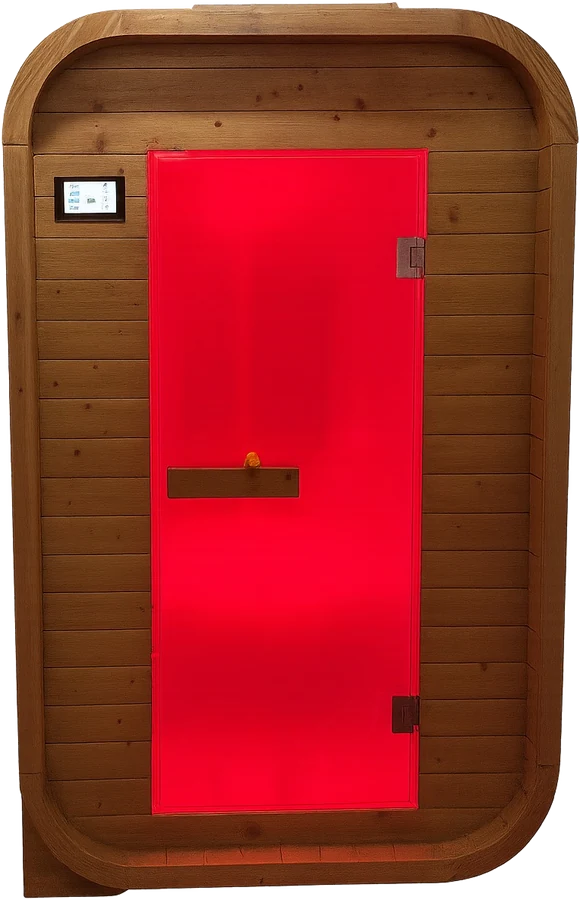
We sell infrared sauna sessions. Here is the guidance on heat during cancer treatment.
During active chemotherapy, immunotherapy or radiotherapy, the standard recommendation is to avoid saunas, steam rooms and hot tubs entirely. Treatment makes skin more sensitive and prone to burns. Fever, dehydration and severe fatigue are all common, and heat makes all three worse. If you have lymphoedema, or you are within three years of lymph node removal or radiation aimed at lymph nodes, direct heat on the affected limb is specifically advised against. Most oncologists suggest waiting three to six months after treatment ends.
That is a service we offer, and the evidence says not during treatment. We would rather you read that here than find out afterwards.
It is also a test you can apply to any wellness clinic, including this one. Ask them what their own services are not good for. A place that cannot answer has either not thought about it, or has and would rather you did not ask.
Why the hype is the problem, not the therapies
Memorial Sloan Kettering runs a podcast episode on alternative cancer treatments, science versus hype, and the distinction it draws is the useful one. There is a real difference between something offered alongside your treatment to help you feel better, and something offered instead of your treatment to cure you. The first is ordinary supportive care. The second gets people killed.
The confusion between those two is why people do not trust places like ours, and the industry caused that confusion itself.
What to ask before you try anything
Tell your oncologist what you are considering, by name. They may say no, or not this week. That is a normal answer rather than an obstruction.
Then ask anywhere you are considering three questions. What does the evidence actually show. What is this not suitable for. And what will you tell me to stop doing. Any place that answers that third one with “nothing” is not listening.
We run frequency and bioresonance wellness sessions in Thane and Andheri West. Nothing we do treats cancer, and we are not a substitute for your medical team. If you want to talk through whether anything here is worth your time, including when the answer is no, come and talk to us.
Before you book
Everything we offer starts with a Frequency Mapping session, so nothing is sold to you before we have looked.