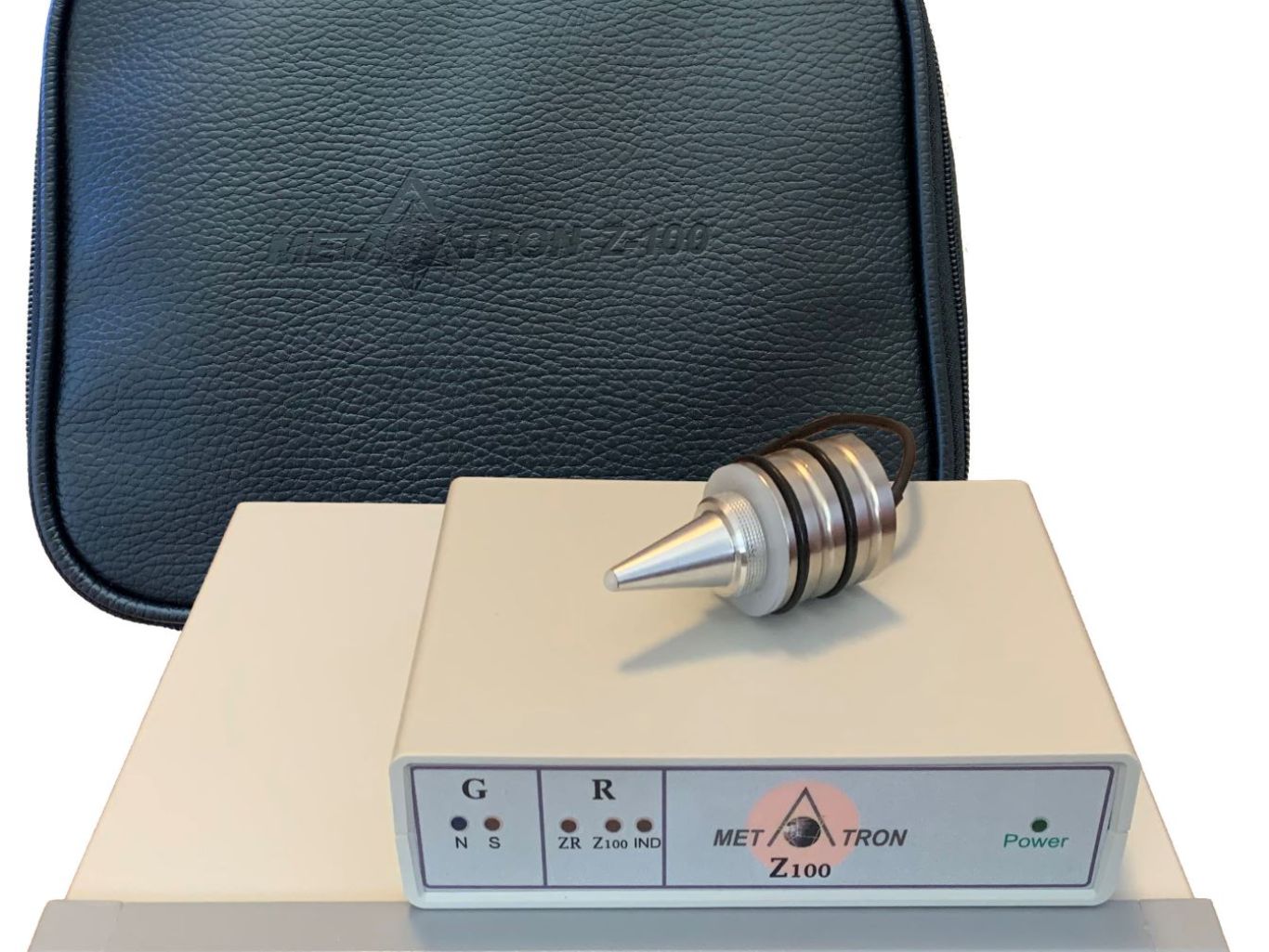
Understanding NLS: The Science Behind Non-Linear System Diagnostics
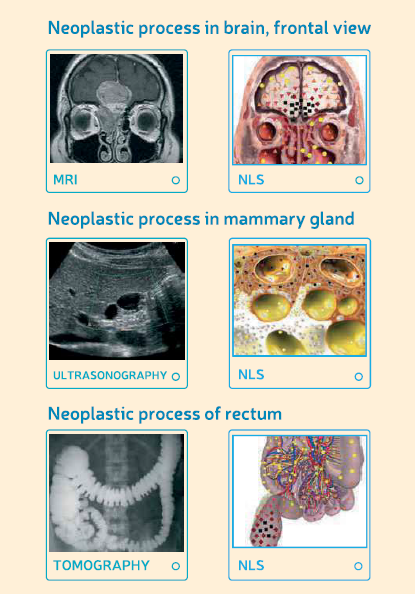
Understanding NLS: The Science Behind Non-Linear System Diagnostics
NLS is built on the idea of reading informational signals of the body and interpreting changes in those signals through resonance analysis. The aim of Nonlinear or NLS diagnostics is to obtain information about the health of an individual using hardware-software systems (HSS). HSS transmit data about the objective state of body tissue, cells, organelles, and biomolecular compounds to the HSS in real time. The data is then decoded into specific diagnoses and recommendations.
Introduction: What Is NLS?
NLS diagnostics is based upon the idea that our body continuously emits a spectral-entropic code, which is a form of informational pattern about the state of organs and tissues. This information is considered to be received and processed by the brain, and can be read externally through specialized sensors. NLS is a non-invasive informational assessment, not a physical scan. A significant feature of NLS is the use of etalons, that is, frequency reference models for organs, tissues, microorganisms, and functional states.
Our body continuously sends out small informational signals.
NLS attempts to “listen” to those signals through resonance responses.
These signals change when a tissue is stressed, inflamed, or imbalanced.
Resonance: The Core Mechanism of NLS
NLS uses trigger sensors designed to tune into the resonance frequency of organs, tissues, or cells. The idea is similar to how a tuning fork vibrates when it encounters a matching frequency.
- Every organ has its own “natural” informational pattern
- When an organ is functioning differently, its signal shifts
- When the diagnostic system sends test signals, the body responds with specific resonance patterns
- Those patterns are analyzed and compared to reference models
What Does NLS Measure?
NLS is an information-based method, not an imaging-based method. It does not measure anatomy (like MRI or ultrasound). Instead, it interprets:
- fluctuations in the spectral-entropic code
- resonance responses
- informational changes in cells and tissues
How Does NLS Work?
The working of NLS involves the following steps:
- The system gathers the body’s resonance patterns
- It compares them to a large database of standardized “reference signals”
- It highlights how close or how far a tissue is from the expected pattern
This comparative method is what allows the NLS system to represent possible imbalance trends using color-coded scales and 3D models.
Why NLS Uses 3D & Color Visualization
NLS displays the analyzed information as three-dimensional models of organs, tissues, and cells. This helps users visually understand which areas show informational irregularities. These models are color-coded using a 12-point Fleindier scale, which indicates whether the resonance response corresponds to:
- Normal functioning
- Mild functional change
- Strong deviation
- Possible imbalance trends
Why People Use NLS
Because NLS is non-invasive and based on informational analysis, people use it for the following:
- Monitoring functional tendencies
- Understanding stress-related changes
- Complementary wellness evaluations
- Non-medical holistic assessments